




CRM Trends for 2025: Artificial Intelligence, Automation, and More
As we approach 2025, the landscape of Customer Relationship Management (CRM) is set to transform dramatically. Companies are increasingly turning to innovative technologies such as artificial intelligence (AI), automation, and customer-centric strategies to enhance the overall customer experience. This article explores the key trends shaping the CRM industry, focusing on how AI and automation are redefining customer interactions.
Understanding CRM: The Foundation
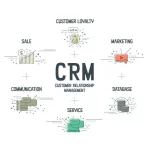
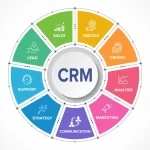
Customer Relationship Management (CRM) encompasses the practices, technologies, and strategies that organizations employ to manage and analyze customer interactions throughout the customer lifecycle. The goal is to improve customer service relationships, increase customer retention, and drive sales growth. CRM solutions have evolved significantly over the years, transitioning from simple databases to sophisticated platforms integrating various aspects of customer engagement, such as marketing, sales, and support.
The Importance of CRM in Today’s Business Landscape
In an increasingly competitive environment, having a robust CRM system is no longer an option; it’s a necessity. Businesses that prioritize customer relationships and invest in CRM technologies position themselves for success. With the help of CRM systems, companies can streamline processes, improve communication, and provide personalized experiences that resonate with their target audience. By understanding the historical evolution of CRM and its current relevance, organizations can better prepare for the future.
The Role of Artificial Intelligence in CRM
Artificial intelligence is expected to be at the forefront of CRM developments, revolutionizing the way businesses interact with their customers. In 2025, we will witness a deeper integration of AI into CRM systems, leading to enhanced efficiency and more meaningful customer engagements.
Predictive Analytics for Personalized Experiences
One of the most significant benefits of AI in CRM is its ability to analyze vast amounts of data to provide predictive insights. Predictive analytics leverages historical customer data to forecast future behavior. This capability enables businesses to tailor their marketing strategies to meet individual customer needs, improving the customer experience. By anticipating customer requirements, organizations can deliver personalized recommendations and communication, increasing the likelihood of successful interactions.
AI-Powered Customer Support
AI-driven chatbots are becoming increasingly sophisticated, capable of handling complex customer queries and providing instantaneous support. This shift toward automation not only improves response times but also frees up human agents to focus on more intricate issues. Businesses that adopt AI-powered customer support can expect improved customer satisfaction levels, as clients receive timely responses to their inquiries.
Enhanced Customer Insights
AI-powered CRM systems are also transforming the way businesses understand their customers. With AI’s analytical capabilities, organizations can segment their customer base more effectively, identifying key trends and preferences. This information allows businesses to tailor their products and services to meet evolving customer demands, ultimately fostering stronger customer relationships.
Automation: Streamlining Processes for Efficiency
Alongside AI, automation is set to play a crucial role in transforming CRM systems by 2025. Automation streamlines repetitive tasks, allowing sales and marketing teams to focus on more strategic initiatives.
Lead Management Automation
Automating lead management processes helps organizations ensure that potential customers receive timely and relevant communications. With automated workflows, leads can be nurtured through the sales funnel without manual intervention. This not only saves time but also enhances the likelihood of converting leads into loyal customers.
Marketing Automation for Targeted Campaigns
Marketing automation tools empower businesses to execute targeted campaigns based on customer behavior and preferences. By leveraging data insights, organizations can deliver personalized messages to specific customer segments. For instance, automated email campaigns can be tailored to match the unique interests of different audiences, resulting in higher engagement rates.
Integration of CRM with Other Business Systems
A key trend in CRM automation is the integration of CRM systems with other essential business tools. Organizations increasingly seek seamless connectivity between CRM platforms and marketing automation, sales enablement, and customer service systems. This integration ensures a unified approach to customer interactions, enabling teams to access a comprehensive view of each customer journey.
The Rise of Mobile CRM: Access Anywhere, Anytime
As mobile technology continues to evolve, more businesses are adopting mobile CRM solutions. By 2025, it is anticipated that a significant percentage of CRM users will access their platforms via mobile devices.
Empowering Remote Workforces
Mobile CRM applications facilitate access to critical customer information on-the-go, enabling sales and support professionals to respond swiftly to customer needs. This flexibility is especially crucial in an era of remote work, where teams require the ability to engage with customers from various locations. Mobile CRM solutions empower organizations to maintain high levels of customer engagement, regardless of physical distance.
Real-Time Updates and Collaboration
With mobile CRM solutions, teams can update customer information in real-time, ensuring that everyone has access to the most current data. This real-time collaboration enhances teamwork and reduces the chances of miscommunication. As organizations increasingly rely on mobile technology, optimization of CRM solutions for mobile use will be vital.
Social CRM: Engaging Customers Where They Are
Social media platforms have transformed how businesses engage with their customers. Social CRM integrates social interactions into the CRM paradigm, allowing organizations to track and respond to customer sentiment across social platforms.
Monitoring Brand Sentiment
Through social listening techniques, businesses can monitor brand mentions and customer feedback in real-time. These insights enable organizations to address concerns promptly and adapt their strategies based on customer sentiment. A proactive approach to social engagement fosters stronger relationships between businesses and their customers.
Campaign Management and Engagement
Social CRM tools also facilitate the management of social media campaigns. By analyzing engagement metrics, businesses can gauge the effectiveness of their campaigns and make data-driven adjustments. This iterative approach to social media engagement will be crucial as brands strive to connect with customers in meaningful ways.
Data Security and Compliance: A Top Priority
As CRM systems increasingly handle vast amounts of sensitive customer data, security and compliance will take center stage. In 2025, businesses must prioritize safeguarding customer information.
Ensuring Data Protection
Advanced security measures must be implemented to protect customer data from breaches and unauthorized access. Encrypting sensitive information, limiting access to specific roles, and regularly auditing data security practices are essential steps in maintaining customer trust.
Navigating Compliance Regulations
With regulatory frameworks like GDPR and CCPA in place, organizations need to ensure that their CRM systems comply with data protection laws. This means being transparent about how customer data is collected, stored, and used. Implementing compliant CRM systems will not only protect customer information but also enhance brand reputation and customer loyalty.
The Future of CRM: Embracing Change and Innovation
As we look beyond 2025, it is clear that the future of CRM will be characterized by continuous change and innovation. Organizations will need to stay agile and adaptable in response to evolving technologies and customer expectations.
Embracing Autonomous AI Agents
One of the envisioned advancements for CRM systems is the development of autonomous AI agents that can complete tasks, make decisions, and interact with customers independently. These agents will enhance efficiency and allow human agents to focus on more complex issues.
Hyper-Personalization through Advanced Analytics
Future CRM systems will utilize advanced analytics to deliver hyper-personalized experiences, customizing interactions to real-time customer preferences. Businesses will need to leverage data insights effectively to deliver the right message at the right time, ensuring a tailored experience for each customer.
Voice and Conversational Interfaces
As voice recognition technology advances, CRM systems are expected to include voice and conversational interfaces. This will enable users to interact with CRM platforms using natural language, simplifying tasks such as data entry and report generation.
Blockchain for Data Integrity
Implementing blockchain technology in CRM systems can enhance data integrity and security. Blockchain provides a transparent and immutable record of customer interactions, fostering trust and reliability in customer relationships.
Conclusion
CRM is undergoing a transformative shift as we head toward 2025. The integration of artificial intelligence, automation, mobile solutions, and social engagement will redefine how businesses interact with customers. By prioritizing data security and compliance, organizations can build stronger relationships while safeguarding customer information. As technology continues to evolve, staying adaptable and embracing innovation will be crucial for businesses seeking to thrive in the competitive CRM landscape.
Embracing these trends will not only enhance operational efficiency but also foster customer loyalty and satisfaction. In a world where personalization and responsiveness matter more than ever, organizations that leverage the power of CRM effectively will set themselves apart from the competition.
By investing in the right technologies and strategies, companies can create lasting connections with their customers, ensuring sustained growth and success in the years to come.