


Improving Customer Experience with CRM: Success Stories
In today’s highly competitive business environment, enhancing customer experience (CX) is paramount. Companies seek innovative solutions to engage clients effectively and foster long-term loyalty. Customer Relationship Management (CRM) systems have emerged as powerful tools that guide businesses in personalizing customer interactions, streamlining processes, and ultimately improving the overall customer experience. This article explores how successful businesses leverage CRM to enhance CX through notable success stories.
Understanding the Importance of Customer Experience
Before delving into case studies, it’s essential to understand why customer experience is critical. Research shows that a positive customer experience not only retains clients but also encourages them to become advocates for your brand. In fact, a significant portion of customers are willing to abandon a brand due to poor customer experiences. Therefore, organizations must prioritize CX to achieve sustainable growth.
CRM: A Tool for Enhancing Customer Experience
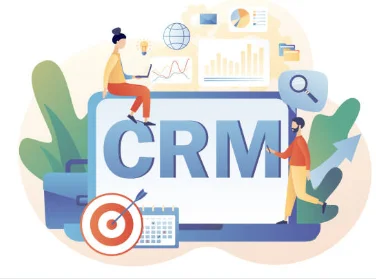
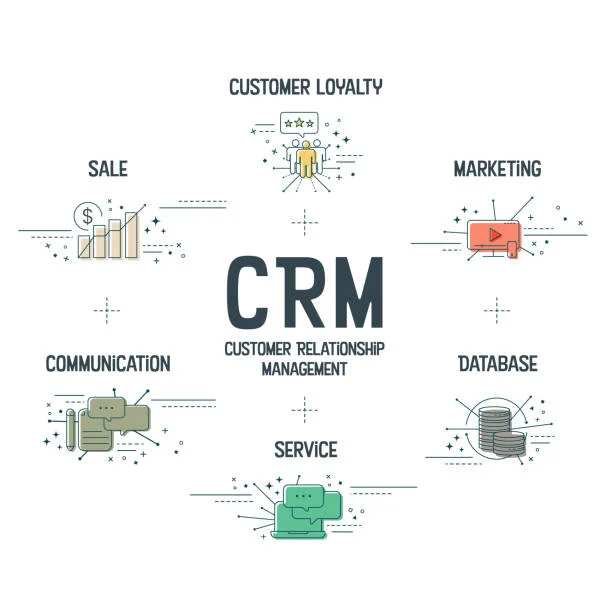
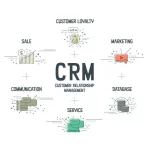
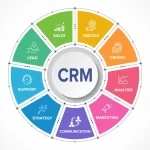
Customer Relationship Management refers to the strategies and technologies that businesses use to manage interactions with potential and existing customers. A CRM system centralizes customer data, making it easier to track interactions, preferences, and behaviors. This accessibility enables businesses to deliver personalized communication, anticipate customer needs, and resolve issues quickly.
Case Study 1: Wells Fargo
Wells Fargo, one of the largest financial service providers in the world, showcases how CRM can be effectively utilized to enhance customer experience. The company manages a vast clientele spanning millions, and with such a diverse customer base, meeting individual needs is crucial.
Implementing a Robust CRM System
Wells Fargo adopted a sophisticated CRM platform that allows them to integrate customer information across various departments, including banking, investments, and mortgage services. This consolidation enables their teams to access a 360-degree view of each customer, allowing for tailored services and proactive engagement.
Results of CRM Implementation
The CRM system has proven instrumental in improving customer satisfaction. Representatives can quickly access relevant information during interactions, ensuring they address client needs effectively. Consequently, customer service efficiency has improved, with reduced wait times for clients. Wells Fargo has reported increased customer retention rates and enhanced trust in their services due to timely and personalized service offerings.
Case Study 2: Activision
Activision, a renowned video game company, provides a compelling example of using CRM for customer experience enhancement, particularly focusing on the gaming community.
Utilizing CRM for Community Engagement
Activision employs a CRM system to monitor social media interactions and engage with gamers about their products and services. By using analytics to track conversations, they can rapidly respond to inquiries, complaints, and suggestions.
Enhanced Customer Support and Engagement
The CRM strategy has led to significant cost reductions and improved productivity. By providing personalized support through social media, Activision has not only lowered its customer service operational expenses but has also built a committed gamer community. Players feel valued as their feedback is consistently acknowledged and acted upon. This engagement strategy not only retains existing customers but also attracts new players, significantly boosting their user base.
Case Study 3: Customer.io
Customer.io is a company that provides a platform for automated customer communication, illustrating how CRM plays a vital role in customer engagement.
Automating Customer Interactions
By leveraging a CRM system, Customer.io was able to automate various communication channels, enabling timely and relevant interactions with users. This automation ensures that customers receive information aligned with their interests, such as product updates, promotions, and educational content.
Positive Impact on Customer Engagement
As a result, Customer.io experienced a substantial increase in customer engagement metrics. By segmenting their audience based on behavior and preferences, they created targeted marketing campaigns that resonated with users, leading to higher conversion rates. The company has successfully reduced churn while fostering strong, long-term relationships with clients.
The Pillars of an Effective CRM Strategy
While these success stories highlight the potential of CRM systems, several core principles underpin an effective CRM strategy. Understanding and implementing these pillars can significantly enhance customer experience.
1. Centralized Customer Data
A well-implemented CRM system should serve as a central repository for all customer data. This allows for comprehensive insights into customer preferences, transaction history, and interactions across various touchpoints. Businesses can deliver tailored experiences that cater to each customer’s unique needs.
2. Enhanced Personalization
Personalization is at the heart of exceptional customer experiences. By utilizing CRM data, businesses can send customized communication and offers based on individual behavior and preferences. Addressing customers by name or recommending products based on previous purchases fosters a sense of appreciation and connection.
3. Streamlined Communication
Effective communication is crucial in customer experience. CRM platforms provide tools like automated responses, follow-up reminders, and email templates that help maintain consistent communication with customers. Timely and relevant interactions build trust and reinforce customer loyalty.
4. Proactive Support
A proactive support strategy can significantly enhance CX. By analyzing customer data, businesses can identify potential issues before they arise. For instance, if a customer shows signs of dissatisfaction based on their interaction patterns, the business can reach out with solutions before the customer formally registers a complaint.
Conclusion
The successful use of CRM systems in enhancing customer experience is evident in the success stories of companies like Wells Fargo, Activision, and Customer.io. These organizations have demonstrated that a well-implemented CRM strategy can lead to increased customer satisfaction, loyalty, and profitability. By focusing on personalized interactions, centralized customer data, and proactive support, businesses can foster meaningful relationships with their clients.
Emphasizing customer experience is no longer optional; it is a necessity for businesses aiming to thrive in a competitive marketplace. CRM systems enable organizations to achieve this goal by providing the tools and insights necessary to understand and respond to customer needs effectively.
By embracing the principles of effective CRM strategies, any business can enhance its customer experience and pave the way for lasting success.